
 Commercial
ÖztiryakilerFood Dehydrators
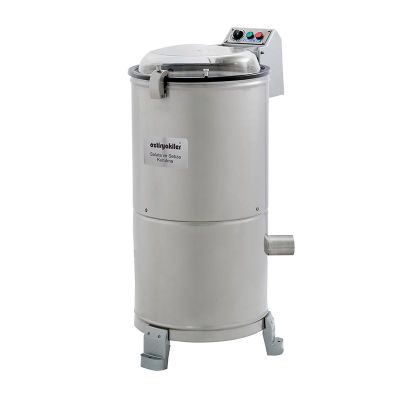
Öztiryakiler 40 L Salad and Vegetable Dryer
- Power
- 550 W
- Width
- 520 mm
- Material
- Stainless Steel 304
Categories
Commercial food dehydrators are essential for preserving fruits, vegetables, herbs, and meats by removing moisture at controlled temperatures. These machines extend shelf life while maintaining nutritional value and flavor profiles for long-term storage or fresh snack production. Buyers typically evaluate models based on tray capacity, heating uniformity, and airflow design to ensure consistent drying results across large batches. Key considerations include stainless steel construction for hygiene, adjustable temperature ranges, and energy efficiency ratings. Understanding these factors helps professionals select equipment that meets specific volume requirements and operational standards in busy kitchen environments.
2 products
2 results
Commercial
 Commercial
About this category
Fruit, vegetable and food drying machines for preservation and snack production.
Electric dehydrators offer precise temperature control and easier installation in standard kitchens. Gas models may be more cost-effective for high-volume operations with existing gas lines, offering faster heat recovery and lower fuel costs in some regions.
Most trays and interiors are dishwasher safe or wipeable with food-safe cleaners. Remove trays after each use, wash with warm soapy water, and dry thoroughly to prevent mold growth. Follow manufacturer guidelines for specific cleaning agents to avoid damaging seals or sensors.
While primarily designed for food, some models can dry herbs for crafts or small batches of pet treats. However, using them for non-food chemicals or hazardous materials is unsafe and voids warranties. Always ensure the equipment is dedicated to food-grade applications.
Look for CE marking for European safety standards and NSF certification for food contact compliance. These ensure the machine meets hygiene, electrical safety, and material safety requirements. Verify local regulatory approvals based on your country's specific food safety laws.